The global conference on inland river navigation begins
Memphis hosts Smart Rivers 2025, where leaders from the private sector, government, and academia analyze international river transport. Argentina's conspicuous absence and OptiRiver take center stage.
The Smart Rivers 2025 exhibition and conference series is being held in Memphis, Tennessee, United States, from September 8 to 12.
With the support of the World Association for Waterborne Transport Infrastructure (PIANC), the event brings together an interdisciplinary community of professionals, researchers, and decision-makers to share the latest advances and lessons learned, and to build a sustainable vision for the future of river and land transport.
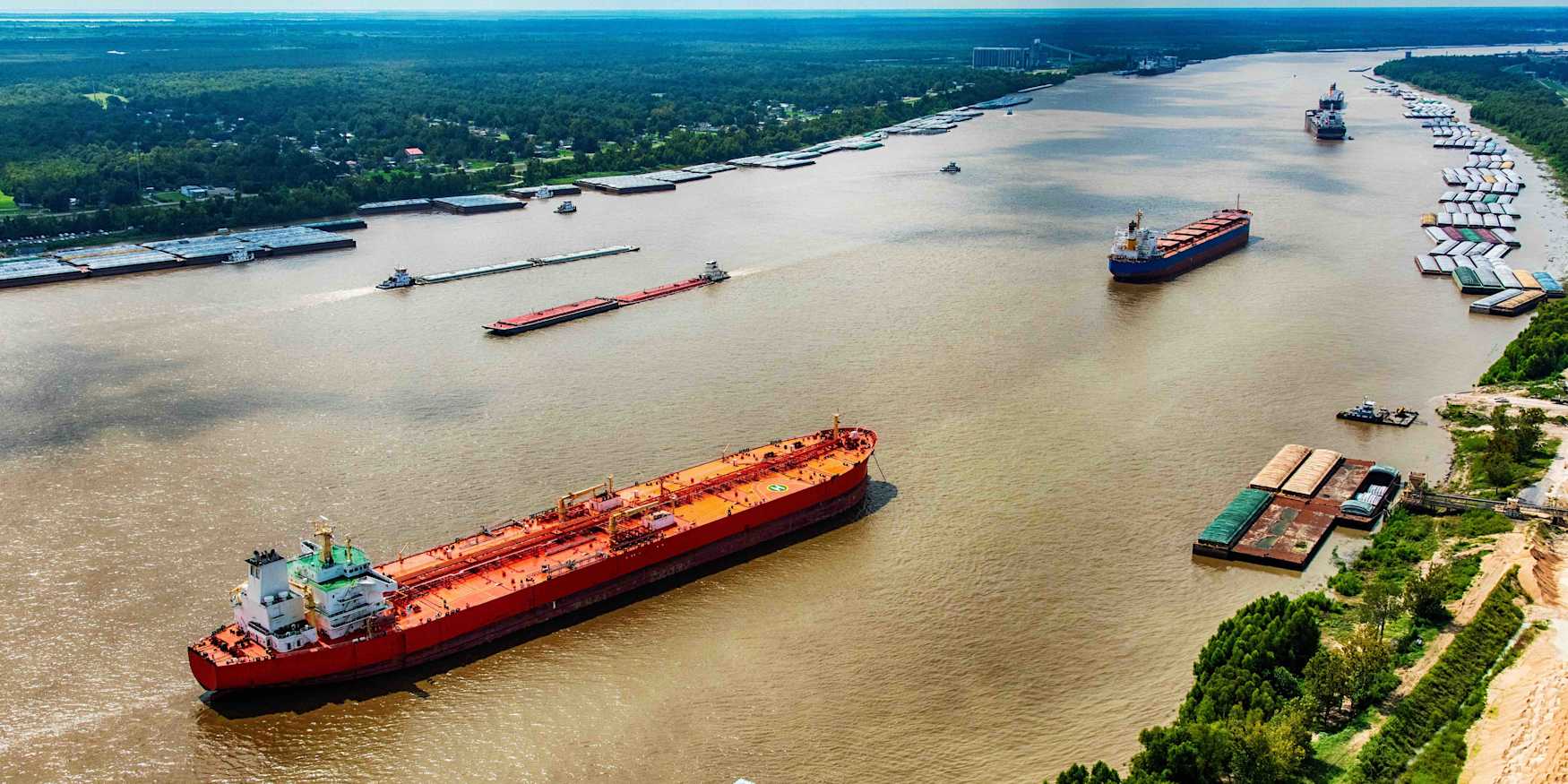
The technical program was designed to encourage a multidisciplinary approach and to enable transportation professionals to better take advantage of current opportunities and prepare for future challenges in river and land transportation.
PIANC is a global, non-political, non-profit organization that brings together international experts to present industry-changing technical reports on all aspects of sustainable river transportation infrastructure.
The United States organized as a national section of PIANC in 1902. Its members, comprising individuals and local, national, and international organizations based in the US, collaborate with their peers in more than 75 countries to address engineering and environmental issues that drive the development of river transportation.
The Smart Rivers conference was first held in Louisville, Kentucky, in 2007 in response to the need for a space to share best practices and innovative technologies among river navigation professionals and researchers.
Notable absence
Brazil, which is in the process of tendering for dredging and signaling on three of its inland rivers, is represented at this event by the National Waterway Transportation Agency (ANTAQ), an autonomous government entity under the Ministry of Infrastructure. Also noteworthy is the attendance of a delegation from the port of Santos.
Argentina, which aspires to tender the Paraná and Río de la Plata waterway, did not send any representatives, a situation that was commented on by the participating delegates.
Flagship platform
On September 10, Belgian pilot Kris De Decker will present the OptiRiver platform, which is already undergoing field testing in Argentina.
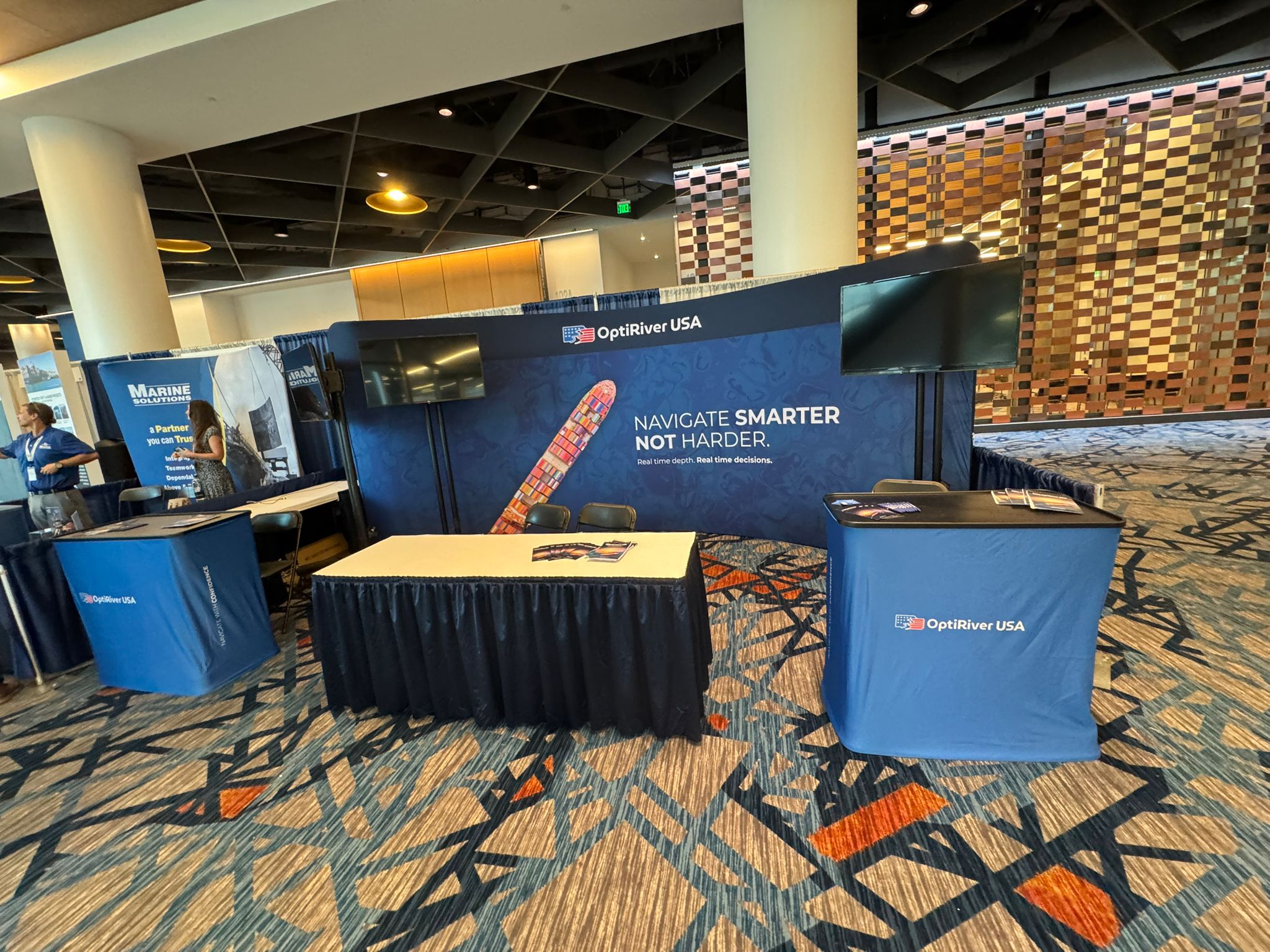
Similar to Waze, where drivers share incidents on roads and highways in real time, OptiRiver aims to enable safe navigation on canals and rivers.
"Current river charts are often outdated, static, and unable to keep up with the dynamic nature of waterways. This can lead to inefficient navigation, increased fuel consumption, and higher accident risks. It's like trying to navigate a city using a 20-year-old paper map. OptiRiver's technology uses a network of data from multiple sources and real-time data to create a dynamic, live map of rivers," said De Decker.

The system provides boat operators with real-time depth and current data and alerts for obstacles and hazards: receive instant notifications about submerged logs, sandbars, and other hazards. It also enables predictive routing because, being AI-powered, it analyzes traffic and conditions to suggest the optimal route, saving time and money.

Kris De Decker presented the OptiRiver platform.
“We're not just mapping rivers; we're making them smarter, safer, and more sustainable,” added the expert.
Backed by Flanders Investment & Trade (FIT), OptiRiver will take advantage of the Smart Rivers 2025 event to share this platform with waterway professionals from around the world.
The venue chosen for the event is highly symbolic. At the heart of the Mississippi River system, the Memphis District is home to the Army Corps of Engineers responsible for dredging and marking North American waterways.
The district covers parts of six states: Louisiana, Mississippi, Arkansas, Tennessee, Missouri, and Kentucky. Within the area are 960 kilometers of navigation channels, federal locks, and 10 river ports.