South Korea Bets on Argentina and Seeks an Agreement with Mercosur
Lee Jae Myung will arrive in Buenos Aires on Thursday to meet with the Argentine president to revive negotiations between South Korea and Mercosur, discuss cooperation on critical minerals and energy, and strengthen bilateral trade ties.
South Korean President Lee Jae Myung will arrive in Argentina this week as part of a tour of South America aimed at expanding trade and investment, reviving negotiations with Mercosur, and strengthening cooperation in strategic sectors. In Buenos Aires, he will meet with Javier Milei; the agenda is expected to include critical minerals, energy, and new value chains associated with the expansion of artificial intelligence.
The president will arrive in the Argentine capital on July 31 to meet with Argentina’s president, following meetings with Luiz Inácio Lula da Silva in Brazil and José Antonio Kast in Chile. The visit takes place against an international backdrop marked by the reorganization of global supply chains, the advancement of artificial intelligence, and growing competition for access to resources considered strategic for the industries of the future.
In an interview with EFE before embarking on the tour, Lee stated that the relationship between South Korea and South America is at a turning point.
In an interview with EFE before embarking on the tour, Lee stated that the relationship between South Korea and South America is at a turning point and highlighted the need to move toward a broader framework of cooperation that goes beyond the traditional exchange of raw materials for industrial products.
“I believe our relationship is entering a new phase. The future of cooperation between South Korea and Latin America should not be defined simply by the exchange of natural resources for manufactured goods. It should consist of creating value together through innovation, investment, technology, and human talent,” Lee said.
At the Heart of the Trade Agenda
One of the main objectives of the tour will be to advance negotiations toward a trade agreement between South Korea and MERCOSUR, a process formally initiated following exploratory talks held between June 2016 and March 2017.
As a result of that process, both parties adopted the document *Overview of a Possible Trade Agreement between Korea and MERCOSUR* and signed a Joint Declaration that paved the way for internal procedures to obtain negotiating mandates in each of the member states. Subsequently, on May 25, the negotiations were officially launched at the ministerial level in Seoul, and a schedule of negotiation rounds was established; the first round took place in Montevideo from September 10 to 14.
For South Korea, the agreement serves as a tool for diversifying markets and strengthening supply chains in a landscape marked by growing trade tensions.
Referring to this objective, Lee noted that, in the face of rising protectionism, geopolitical tensions, supply chain disruptions, and energy uncertainty, countries need “reliable partners and trade based on clear rules and mutual trust.”
The president also highlighted the complementary nature of the two regions’ economies.
“The Mercosur countries are global leaders in agriculture, food production, energy, and critical minerals. South Korea is a global leader in advanced manufacturing, digital technologies, shipbuilding, batteries, and innovation. By combining these strengths, we can create resilient value chains that benefit both regions,” Lee said in an interview with EFE.
The strategic importance of the agreement is also explained by the economic characteristics of both parties. Mercosur comprises a market of 261 million people, vast arable land, and comparative advantages in agricultural and livestock production, while South Korea ranks among the world’s leading economies, with a gross domestic product of US$1.5 trillion, a per capita income of US$29,000, and an industrial structure based on high-value-added manufacturing, particularly in electronics.
The negotiations, however, also face challenges related to tariff differences. While Mercosur maintains higher levels of protection on various industrial goods, South Korea remains sensitive to agricultural imports.
New Areas of Cooperation
The agenda Lee will pursue in South America goes beyond strictly trade-related matters. The tour takes place just a few days after his meetings in the United States with executives from OpenAI, Nvidia, and Anthropic, as part of the South Korean government’s strategy to turn the country into a global hub for artificial intelligence.
This context explains the growing interest in strengthening ties with countries that produce critical minerals and energy resources.
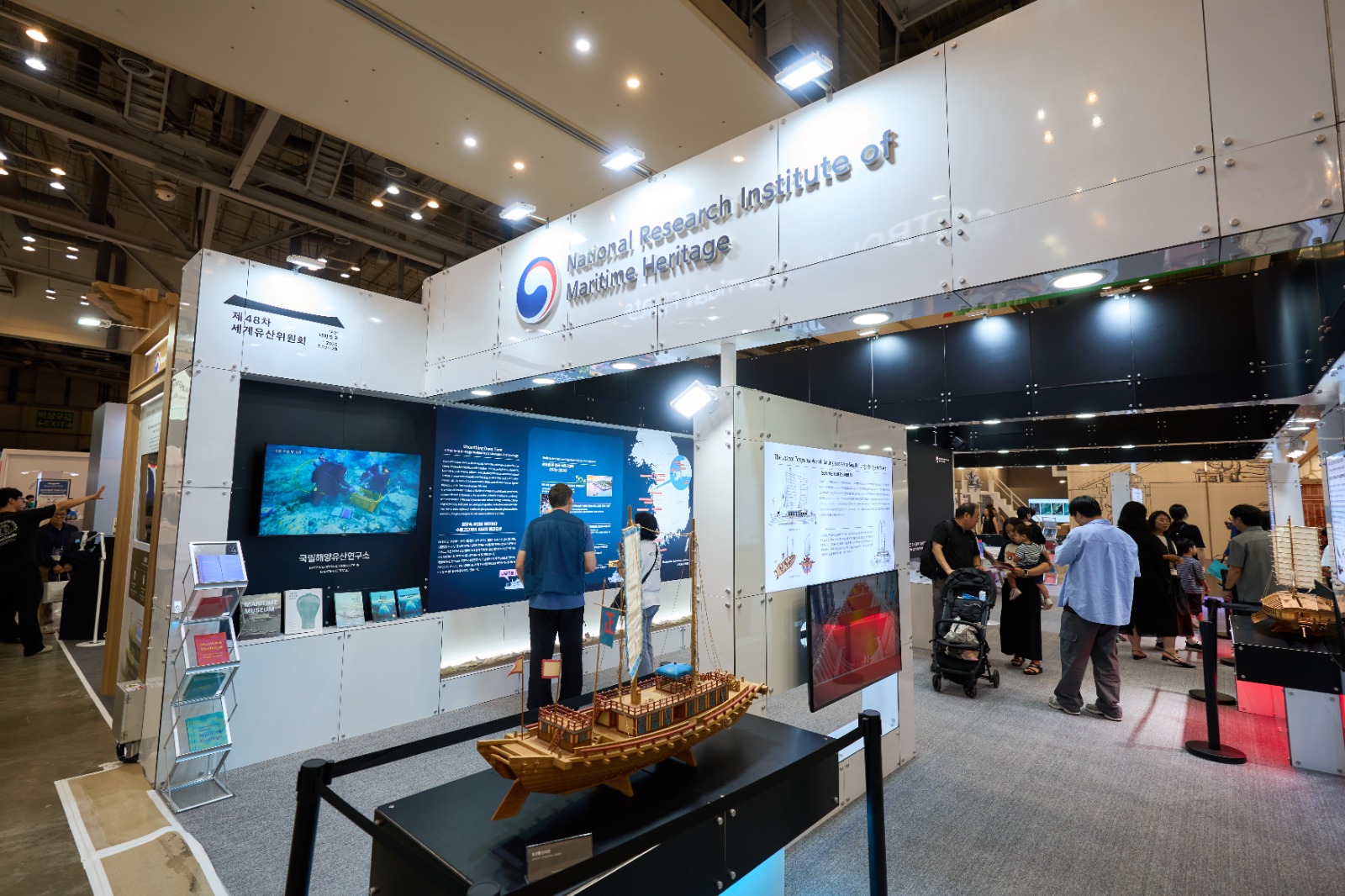
The meeting between Javier Milei and Lee Jae-myung will cover topics related to critical minerals, energy, bilateral trade, artificial intelligence, and technological development
In Buenos Aires, the South Korean leader plans to discuss with Javier Milei opportunities for bilateral cooperation in rare earths and energy, against an international backdrop shaped by tensions in the Middle East and the need to diversify supply sources. Lee described this situation as an opportunity to build long-term partnerships.
“South America possesses essential resources for the industries of the future, while South Korea contributes advanced technology, industrial expertise, and investment. Together, we can build resilient supply chains, develop new industries, and create high-quality jobs that benefit both regions,” he said.
A Key Partner
The meeting with Milei will seek to deepen an agenda that goes beyond traditional trade. South Korea views Argentina as a strategic supplier of food, energy, and critical minerals, especially in a context where the development of batteries, semiconductors, and technologies related to artificial intelligence is increasing the demand for lithium and other inputs considered essential.
Argentina features in this strategy due to its food production capacity, energy resources, and mining potential. According to the preliminary agenda for the meeting, the two leaders will explore opportunities for cooperation in rare earths and energy, at a time when South Korea is seeking to diversify its supply sources in the face of disruptions caused by international conflicts.
The visit will also have a strong business component. Lee will arrive in South America accompanied by a delegation of South Korean companies, including Hyundai Motor Group Chairman Chung Euisun, reflecting the private sector’s interest in expanding investments and business opportunities in the region.
This detailed update on bilateral relations is a key factor in the potential relaunch of negotiations. The agreement could alter the terms of market access to South Korea for Argentine products, but it would also increase competition from Asian manufacturers in sensitive Mercosur sectors.
The Challenge of Scaling Up
The trade relationship between Argentina and South Korea shows marked productive complementarity, although there is room to expand trade within the framework of a potential agreement between Mercosur and South Korea.
According to the Business Guide to South Korea prepared by the Argentine Ministry of Foreign Affairs and updated in 2025, Argentine exports to that market continue to be concentrated in agro-industrial products and strategic minerals, while imports from South Korea continue to consist largely of industrial manufactured goods and high-tech products.
Among the main Argentine products exported to South Korea, corn stands out, continuing to lead foreign sales, although with a downward trend in recent years: South Korean imports of this product fell from US$905.5 million in 2023 to US$736.2 million in 2024 and to US$379 million in 2025.
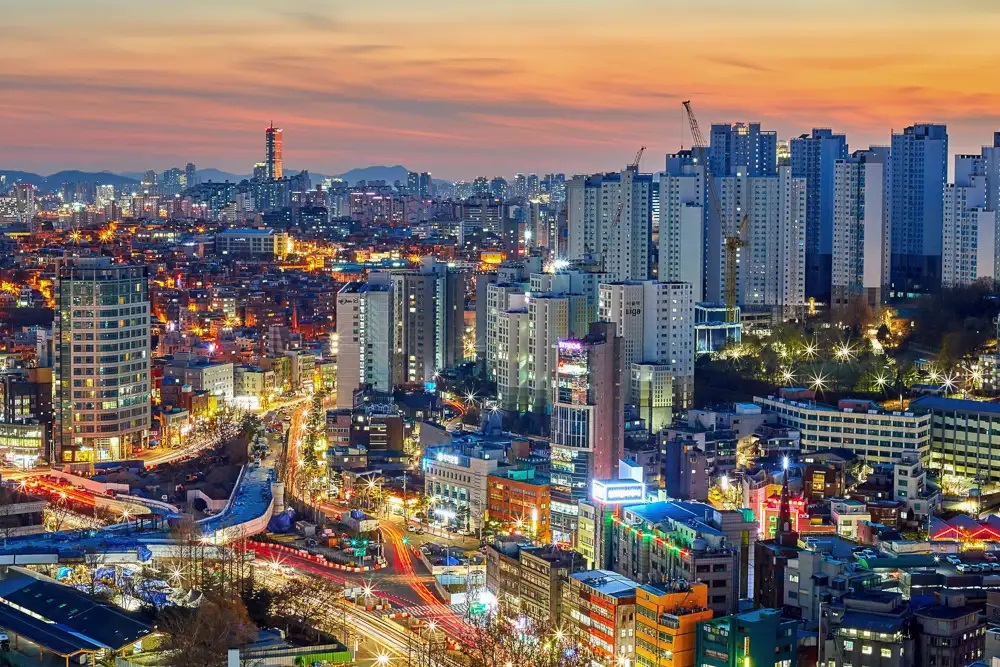
South Korea considers Mercosur a strategic partner due to its production of food, energy, and critical minerals, while it seeks to advance a trade agreement that expands trade
Also among the main exports are silver ores and their concentrates, crude soybean oil, and lithium carbonate—the latter classified as a strategic good in the bilateral relationship due to its use in the battery industry.
Conversely, Argentine imports continue to focus on industrial goods with higher value added, particularly machinery, electronic equipment, auto parts, vehicles, and industrial supplies—a structure that reflects South Korea’s manufacturing specialization and the complementary nature of the two economies.
Official Argentine data also show that in 2024, Argentina achieved a record-high overall trade surplus, with exports totaling US$79,721 million and imports totaling US$60,822 million, while in 2025, exports continued to grow, exceeding US$87,000 million. In this context, South Korea emerges as a market with potential for diversifying Argentina’s export portfolio, particularly in food, mining, energy, and agribusiness-based manufactured goods.
Thus, the agenda to be discussed in Buenos Aires will combine three areas: bilateral relations with Argentina, the possible relaunch of the agreement with Mercosur, and South Korea’s search for partners to secure energy and minerals for its technology industries.
Lee also noted that Latin American interest in his country now extends beyond K-pop and television productions to include gastronomy, cosmetics, tourism, technology, education, and the creative industries.
“Our goal is clear: to build a relationship between South Korea and South America that is not only economically successful but also deeply rooted in exchanges between our societies and in opportunities for future generations,” he said.